A Bit of Background
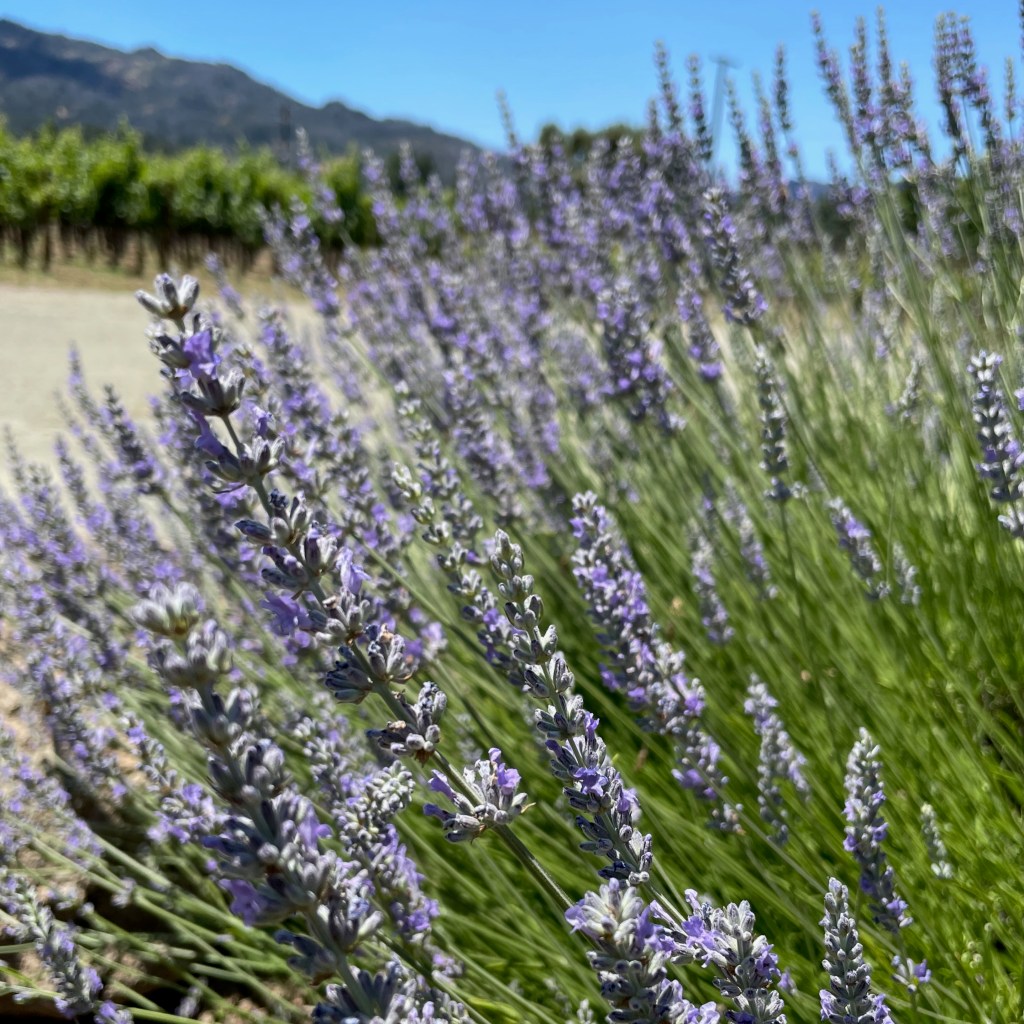
Lavender (the genus Lavandula) originated in the Mediterranean/Eurasia, and has been used for its scent and medicinally for more than two thousand years. There are more than 45 known species of lavender, and some of the most commonly grown in gardens are L. angustifolia (or English lavender), L. stoechas (or Spanish lavender), L. x intermedia (or lavandin), and L. dentata (or fringed lavender). Lavender’s requirements for growing happily are well-draining soil, full sun, and proper pruning.
If you’re growing lavender in a climate with hard frosts during the winter, L. angustifolia is the hardiest species, though others may also be hardy enough too, depending on your climate zone. L. angustifolia is also the best species for culinary use. The best varieties for drying to make flower arrangements, sachets, and other crafts tend to be from the L. x intermedia and L. angustifolia species.
Harvesting for Fresh Use
Fresh stems of lavender can be cut and brought inside any time from when the buds are fully formed to when the flowers have mostly opened, though they may shed if more than a few flowers on a stem are already open when cut. Lavender stems get slimy when submerged, so it works best to place them in just an inch of water, and change their water frequently. As with all cut flowers, keeping them in a cool place away from direct sunlight will lengthen their vase life.
Harvesting for Drying
To minimize shedding of flowers and maximize scent, it’s best to pick lavender for drying when the buds are fully formed and only one or two on a stem have begun to bloom. After cutting 10 to 20 stems, bunch them with twine or a rubber band. (Rubber bands work especially well because they contract as the stems dry.) Place the bunch(es) upside down in a dark and dry place for about four weeks, and then they’ll be ready to use.
A Few Favorite Uses for Dried Lavender
Herbs de Provence: This versatile seasoning sometimes includes lavender, along with dried herbs like oregano, thyme, basil, rosemary, and marjoram. It’s excellent for Provençal recipes like ratatouille and tian, or with roast chicken or lamb.
Lavender Simple Syrup: This treat is a lovely addition to teas, lemonade, and seltzer. To make it, bring 1 cup of water and 1 cup of sugar to a boil on the stove over medium heat, stirring until the sugar is dissolved. Turn off the heat and add 2 tablespoons of lavender buds and a strip of lemon zest, steeping them, uncovered, for 30 minutes. Then strain the syrup through a mesh strainer or cheesecloth into a container; it will keep in the refrigerator for a few weeks.
Lavender Sachets: Unbleached muslin is a great fabric for lavender sachets; pre-sewn bags are widely available for purchase. Once they’re filled with dried lavender buds, the sachets can be used to add a subtle and soothing scent to clothing in a dresser drawer or in the dryer.
For more information about lavender and uses for it, here are a couple of books to check out:
The Lavender Lover’s Handbook, by Sarah Berringer Bader
Lavender: The Grower’s Guide, by Virginia McNaughton
 Local flowers from St. Helena, CA